We're headed to AIM May 3-6!

Author: Jaidyn Hammond

How the Air Quality in Your Apartment is Making You Sick

If you’re like most people, you probably spend the majority of your time indoors. And if you’re like most people, you probably don’t think about the quality of the air you’re breathing until you start to feel sick. Believe it or not, indoor air is often the culprit, as it can be full of all sorts of pollutants, from dust and mold to VOCs (volatile organic compounds). Poor indoor air quality is a common problem in the multifamily sphere, and it’s one that can have serious consequences for the health of both your residents and staff.

Especially when it comes to the COVID-19 pandemic and the oncoming flu season, air quality has become a much hotter topic than ever before. But, it’s not just about avoiding the COVID-19 virus; poor indoor air quality can also exacerbate allergies, asthma, and other respiratory conditions.

This is important to keep in mind not just for the inside of your residential units, but all the spaces of the multifamily complex you’re developing or managing. Here are some things you should know about indoor air quality in apartments:

  • Americans, on average, spend approximately 90 percent of their time indoors1, where the concentrations of some pollutants are often 2 to 5 times higher than typical outdoor concentrations2.
  • People who are often most susceptible to the adverse effects of pollution (e.g., the very young, older adults, people with cardiovascular or respiratory disease) tend to spend even more time indoors3.
  • Indoor concentrations of some pollutants have increased in recent decades due to such factors as energy-efficient building construction (when it lacks sufficient mechanical ventilation to ensure adequate air exchange) and increased use of synthetic building materials, furnishings, personal care products, pesticides, and household cleaners.

Signs of Poor Indoor Air Quality

So how can you tell if you’re dealing with poor indoor air quality? Unfortunately, there is no surefire way to test air quality without spending a little money on an air quality monitor, but there are also some telltale physical signs that something might be wrong, such as:

  • Visible mold or mildew
  • Musty odors
  • Excessive dust
  • Throat irritation
  • Nasal congestion
  • Watering eyes
  • Coughing or difficulty breathing

Potential Sources of Indoor Air Pollution

If you notice any of these signs, it’s important to take action to improve the indoor air quality in your apartment. The first step is to identify the source of the problem. Common sources of indoor air pollution include:

  • Dust mites: Dust mites are tiny creatures that thrive in warm, humid environments. They are often found in bedding, carpets, and upholstered furniture. Dust mites feed on dead skin cells and their feces can trigger allergies and asthma attacks.
  • Pet dander: If you have pets, their dander (shed skin cells) can also trigger allergies and asthma attacks.
  • Mold and mildew: Mold and mildew thrive in damp, dark places. They can cause respiratory problems and other health issues.
  • Cigarette smoke: Cigarette smoke is a known carcinogen and can cause a variety of health problems, including respiratory illnesses, cancer, and heart disease.
  • Household cleaning products: Many common household cleaners contain chemicals that can be harmful to your health and cause skin or lung issues. Check out our Guide to Nontoxic Cleaning Products to learn more.

Solutions to Improve Air Quality

Often, it’s not something that anyone can change to the general air quality of the building. You can practice temporary reliefs, such as opening windows, or spending more time outside, but often, buildings alone are the problem. This is why indoor air quality is something very important to consider when choosing your next home.

There are a few simple things you can do to improve the indoor air quality in your apartment and keep yourself healthy:

  • Dust regularly: Dust mites thrive in dusty environments. By dusting regularly, you can reduce their numbers and help keep your home clean.
  • Vacuum regularly: Vacuuming also helps to remove dust mites and other allergens from your home. Be sure to use a vacuum with a HEPA filter to trap as many particles as possible.
  • Keep indoor plants: Plants help to purify the air by absorbing carbon dioxide and releasing oxygen. They also help to reduce mold and mildew growth.
  • Use an air purifier: Air purifiers help to remove dust, pollen, and other allergens from the air. Be sure to choose one that is specifically designed for apartments.
  • Don’t smoke indoors: Cigarette smoke is a known carcinogen and can cause a variety of health problems. If you smoke, do so outdoors to protect yourself and others from the harmful effects of secondhand smoke.
  • Review your personal care and household cleaning products:  Many of these products contain chemicals that can be harmful to your health. Look for products that are labeled “organic” or “natural.”
  • Swap out your air filter regularly: Air filters in your home are the first line of defense to protect your HVAC system from contaminants coming from the inside of your home

Delos, a science-based company committed to ensuring our indoor spaces are healthier places to live, work and play, has numerous solutions to improve indoor air quality. From air purifiers to a more all-encompassing Stay Well system, Delos has a product (or several!) that will fit the needs of your multifamily residential complex. Even better, they go beyond just providing products and will work with you directly to develop the solution you need.

By keeping indoor air quality in mind, you can find an innovative way to differentiate your property from the rest, and give residents a healthier, happier place to call home. Whether that’s by furnishing your common areas with plenty of plants or investing in heavy duty air purifiers,  apartment dwellers will thank you for your efforts to improve their indoor air quality!

By passing on and following these simple tips, you can improve the indoor air quality in your property and keep yourself and renters healthy!


Google Tags 101

Google Tags are an often overlooked part of multifamily marketing. However, when used correctly, they can be a powerful tool to improve your website’s visibility and performance. In this blog post, we will discuss the basics of Google Tags and how you can use them to boost your apartment marketing strategy.

Let’s start with the basics. Google Tags are bits of code that you can insert into the backend of your website to track traffic and activity. There are many different types of tags, but the most common ones used by multifamily marketers are Google Analytics tags and Google AdWords conversion tracking.

If you have an account with Google Analytics, auto-tagging is likely already enabled, which means that your Google Analytics tags are automatically generated. However, if you don’t have auto-tagging enabled, or if you want to use other types of tags, you’ll need to manually insert the code into your website.

Don’t let this intimidate you, though, because customizing which metrics you want to collect and report can be an invaluable asset to your multifamily marketing strategy. Tags are what lets you know when someone visits your website, fills out a form, or clicks on an ad. They provide insights into how people interact with your site, and they can even help you track conversions.

Now that you know the gist of what Google Tags are, let’s discuss how you can use them to boost your apartment marketing strategy.

Using Google Analytics

Google Analytics by default uses tags that allow you to collect data about your website visitors, such as how they found your site, what pages they visited, and how long they stayed on each page. This information can be very valuable in understanding your audience and tailoring your marketing messages accordingly.

Google AdWords conversion tracking tags help you measure the effectiveness of your online advertising campaigns. By placing these tags on key pages of your website and setting up specific goal IDs, such as filling out the contact form or application page, you can see how many people who clicked on your ad ended up converting into a lead or resident. This information can be very helpful in determining which marketing channels are most effective for your community, and how well the ads that you’re paying for are performing.

When it comes to strategy, for example, if you see that a lot of your website traffic is coming from Facebook, you might want to invest more time and resources into creating content for your Facebook page. Or, if you notice that people are spending a lot of time on your floor plan pages, you might want to make sure that those pages are easy to navigate and full of relevant information. You could even tailor your ads to use your floor plan pages as landing pages, since you know that people are already interested in that content.

If you’re not already using Google Analytics or another analytics tool, we highly recommend that you start! Google Analytics is a free service that provides valuable insights into your website traffic. Once you have Google Analytics set up, take some time to familiarize yourself with the different types of data that it can provide. This will help you know what to look for when analyzing your website’s performance, and what tags might be most valuable to you.

Some other analytics tools to consider for multifamily websites are:

Using Google Tag Manager

Tagging possibilities are endless, which leads many multifamily marketing teams to use Google Tag Manager, a platform that allows you to manage all of your website’s tags in one place. This can be a helpful tool if you have a lot of different tags that you want to track, or if you want to be able to quickly make changes to your tag setup and add new ones that Analytics won’t auto-tag. Google Tag Manager even lets you manage your tags from other platforms, too, including Hootsuite and Facebook Pixel.

By adding extra tags, you can track actions you may have never thought possible. Track scrolls to see how often a user makes it to the bottom of your webpage, or video engagement to see play, progress, and completed events that can help you determine whether your video is placed effectively on your page. You can even track forms to see how many people started filling one out, and whether they abandoned it before submission.

What’s more is that Google Tag Manager allows you to preview tag changes, so you can test your container configurations before they go up on your website. The platform also keeps track of version history, so you can keep track of every tag change you’ve ever made!

The multifamily marketing landscape is always changing, and new technologies are constantly being developed to help you better understand and engage your audience. Google Tags are a valuable tool that can help you keep up with the latest marketing trends and track your website’s performance. 

If you’re not already using Google Tags as part of your multifamily marketing strategy, we encourage you to give them a try. They’re easy to implement and can provide valuable insights into your website’s traffic and performance, and can help you learn priceless information about your audience and their user journey.


Don’t want to deal with the technical stuff? No problem! Reach out to the multifamily marketing experts at Resi and we’ll take care of it for you.

10 Ways to Use Halloween to Boost Resident Retention

When it comes time to decide whether it’s time to re-sign the lease or start looking for new places to live, many residents will look back on their time at the property and ask themselves: “Did I have fun here? Did I feel like part of a community?”

As a property manager, you have the opportunity to answer those questions with a resounding “Yes!” – and Halloween is the perfect time to do it.

Think beyond simply handing out candy to trick-or-treaters. Use this spooky holiday as an opportunity to engage your residents, create a sense of community and – most importantly – increase resident retention.

Not sure where to start? Check out these 10 ways to use Halloween for resident events that could boost your retention rate:

trick or treat pumpkins

1. Decorate!

Celebrate Halloween with your residents by decorating your common areas and leasing office! This is an easy way to show excitement for the holiday. By having a festive atmosphere, it will create positive experiences not only for current residents but also potential leasing prospects. An overflowing candy bowl is always a favorite for residents and staff alike. Just be mindful of avoiding anything that could come across as offensive or insensitive.

2. Host A Costume Contest

Hosting a costume contest is a great way to get residents involved and engaged. Offer prizes for the best costumes, and make sure to take plenty of pictures to document the event to use as part of your marketing strategy down the road. Prospects love seeing that a property’s community is fun and active.

If you manage an especially pet-friendly property, you can even extend this contest to pets! This is an awesome way to get residents socializing with each other and build a sense of community while letting them know you care about their furry friends too.

Wondering how you’d get enough residents to participate? While not everyone loves Halloween, everyone loves discounted rent. Host the contest and offer a month’s free rent to the winners in addition to any other prizes you might be offering.

couple watching a movie

3. Plan A Spooky Movie Night

What’s more enjoyable than cuddling up with some popcorn and watching a scary movie? Host a spooky movie night in your common area and invite residents to join in on the fun. You could even send out a poll to let residents choose which movie you’ll be playing.

4. Organize a Halloween Scavenger Hunt

Get residents out and about with a Halloween-themed scavenger hunt. Hide spooky items around the property and give residents a list of things to find. Let residents submit photos of items from the list until the first person to find all the items wins a prize.

This is a great way to get residents exploring their surroundings and getting to know their fellow neighbors. It’s also a perfect opportunity to show off any recent renovations or property upgrades you’ve made.

5. Turn An Amenity Space into A Haunted House

If you have any underutilized amenity spaces, this is your chance to get creative and turn them into a haunted house experience for residents. This is a unique way to add some extra excitement for the holiday while also promoting your amenities. 

Decorate with creepy crawlers, spooky lighting, and cobwebs. You can even get residents involved by asking them to help with the decorating. Make sure to promote the event ahead of time so residents can come prepared to be scared!

carved pumpkins

6. Host A Pumpkin Carving and Decorating Contest

Encourage residents to get creative and host a pumpkin decorating contest. This is a delightful activity for families with kids or anyone who wants to get into the Halloween spirit. You can provide the pumpkins and supplies, or residents can bring their own. Be sure to take plenty of pictures to use in your marketing efforts later on.

This is a great way to get your property in the Halloween spirit, too, because by the end of it, your whole property will be covered in pumpkins!

7. Make It A Charitable Event

Turn your Halloween festivities into a charitable resident event by hosting a food or clothing drive. Give back to the community while also promoting goodwill amongst your residents! Make sure to publicize the event ahead of time and include information about where donations can be dropped off.

8. Hold a Door Decorating Contest

Get residents involved by holding a door decorating contest. If you think costume contests are fun, just wait until you see the amazing (and sometimes bizarre) things residents will do to their doors. You can even extend this contest to include the best-decorated apartment or have a prize for the scariest door. Just make sure to communicate with residents about appropriate guidelines for your property’s fire codes.

spooky cupcakes

9. Plan a Halloween-Themed Social

Halloween is the perfect opportunity to get residents socializing with one another. Plan a Halloween-themed social, like a costume party or pumpkin painting event, and encourage residents to interact with one another.

Be sure to provide plenty of treats and activities! From apple bobbing and pumpkin bowling to Mummy wrap races, there are tons of options to choose from. And don’t forget the music! Make a spooky playlist to get everyone in the Halloween spirit.

10. Start a Halloween Hashtag

Get residents involved and excited about Halloween by starting a property-wide hashtag. Encourage residents to share pictures of their costumes, decorations, and Halloween experiences using the hashtag. If you’re short on time and don’t think this is the year for a full-blown Halloween party, you can still take advantage of the holiday by using a hashtag to get residents engaged on social media and give them the opportunity to show off all their spooky efforts. Maybe they’ll even let your team repost them on your property socials!

By trying out any of these eerie ideas, you can make Halloween the best resident retention tool in your multifamily marketing arsenal. At the end of the day, what matters is that your residents feel like they’re part of a community. And what better way to build a sense of community than by coming together to celebrate (or survive) Halloween? So get creative with your resident events, have fun and watch your retention numbers soar!


Running out of ideas for resident retention? It’s worth taking a second look at your marketing strategy. If you’re searching for multifamily digital marketing services, contact our experts at Resi for a multifamily marketing plan review with actionable insights to help improve your multifamily marketing efforts and boost resident retention.

A Guide to Nontoxic Cleaning Products

How much do you think about the cleaning products you use? If you manage a property, the chances are good that you think about them quite often. After all, it’s your job to make sure the property is clean and presentable for tenants, guests, and owners. From keeping your onsite office tidy to managing turnovers to just wanting to pass health-consciousness on to residents, cleaning is an important part of property management — and so are the products you use.

So, what about the safety of those products? Sure, they might get the job done, but at what cost?

Many cleaning products on the market today are loaded with toxic chemicals that can be harmful to your health. PFAs, which are man-made “forever” chemicals used in the production of consumer goods, are just one example of some of the harmful things you might find in your everyday household products. Those toxic chemicals can also end up in the air and water, causing even more harm to the environment.

Most experts agree one thing: just because it’s legal, doesn’t mean it’s safe.

Though we’d like to be able to trust consumer product safety, there are just too many instances of violation to really be certain, especially when some would argue US product safety guidelines are already too loose across the board.

As a property manager, it’s important to be conscious of the products you’re using. Over the last few years, loads of apps like Think Dirty have been developed so that the average consumer can double-check the safety of their favorite products. The Environmental Working Group (EWG) is also an incredible resource for up-to-date research on common toxins and the safety of products in almost any sector you can think of — from food to cosmetics to, you guessed it, cleaning products.

So, what’s a health-conscious property manager to do?

Well, simply put — check the ingredients!

Ingredients to Avoid

Bleach

Formaldehyde

Paraben

Sodium laureth sulfate

Tetrachloroethylene

Diethanolamine

Ammonia

2-Butoxyethanol

Sodium hydroxide

Chlorine

Propylene glycol

Triethanolamine

Triclosan

Ethanolamine

Phosphates

Sodium hypochlorite

Coal tar

1,4-Dioxane

You might notice these ingredients appearing in your cabinet far more than you expected, and even this list is just the beginning. Don’t feel too intimidated, though, because we’ve put together a list of nontoxic cleaning brands you can use as replacements while you kickstart your research!

Nontoxic Brands

It’s time to take responsibility for the products we consume — if not for our own health, for the potential environmental consequences down the road. As a property manager, you have the power to make a difference in the lives of your residents, staff, and visitors. The next time you’re stocking up on cleaning supplies, take a quick glance at the ingredients list and do some research to find a healthier, more sustainable option for you and your property.

How to Market to Out-of-town Prospects

If you’re in the business of marketing multifamily properties, then you know that there are always potential tenants who can’t tour the property in person. Maybe they’re out of town, or maybe they have a busy schedule and can’t make it to an open house.

Whatever the reason, you need to be able to market to these potential renters so that you can still get your properties rented out. Especially considering 83% of renters are using online resources for their housing search, it’s important to make the online experience of your property as compelling as the in-person experience.

Tightening up your digital marketing efforts is the best way to turn an out-of-town prospect’s search into a lease. Here’s a list of everything you need to successfully market towards an out-of-town prospect.

A Branded Website

If you don’t already have a website for your property, it’s definitely time to consider it. Next to experiencing your property via in-person tour comes experiencing your brand through a well-branded website.

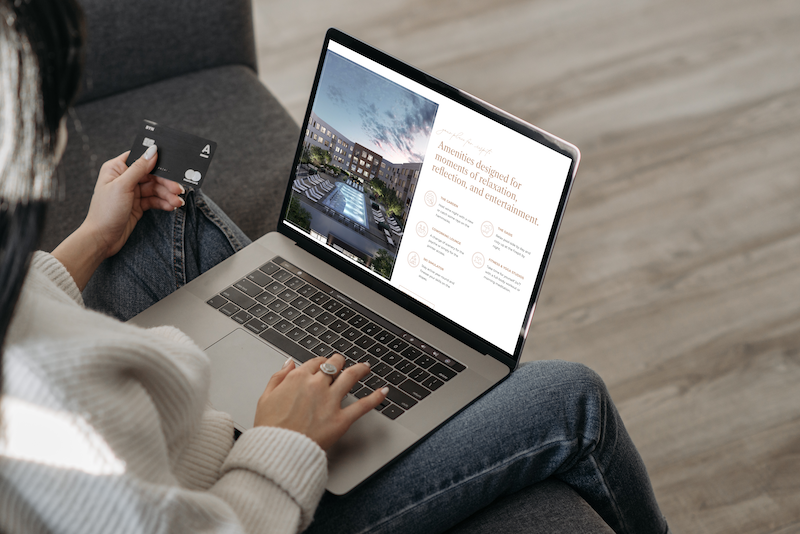
Creating an online home for your property will allow you to showcase both photos and videos of your community, amenities, and units — while also allowing you the control to decide how potential residents view your property. You might view your property as warm, cozy, and ready to be someone’s home, but how well does your website communicate that to renters?

Don’t Forget About UX

There’s a lot that goes into good website design; when we talk about the look and feel of a website, it goes beyond just the property logo and use of complementary colors.

How a website feels to a user often comes down to UX design, usability, and accessibility, too. When you’re marketing to someone who won’t be popping into the leasing office, you want their experience to be just as smooth and informative as you (and they) would expect if they had scheduled an in-person tour.

This is why it’s also paramount that your website have clear, concise, yet detailed descriptions about different aspects of the property. What is the community like? What’s nearby? You can even go as far as detailing finish packages in your unit. The more your website can serve as an extension of the tour, the better.

Virtual Tours

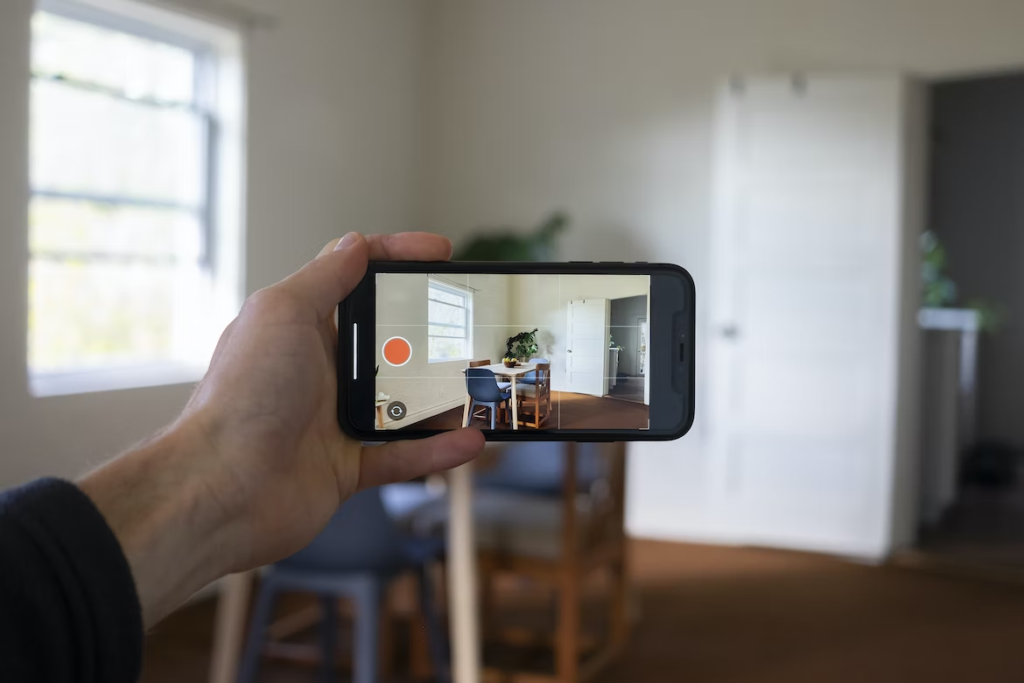
Virtual tours are an amazing tool to have in place of an in-person tour. They can be way more comprehensive by providing a full walkthrough of the property and an opportunity for whomever is recording the video to talk about the property as they would for an in-person tour.

Guided Virtual Tours

You can also use video to show off things that still photos wouldn’t be able to capture, like the community vibe or how an amenity space is utilized. Realync is a great platform that allows for pre-recorded videos as well as live virtual tours.

While you don’t want to bombard potential residents with a million videos, try to have a mix of both pre-recorded and live content so that they can get a sense of what your property is like in different scenarios. You can use a pre-recorded video as an introduction to your community and units, and then have live virtual tour options for those who want to see the property in real-time and ask questions as they go along.

Online Virtual Tours

Marketing to out-of-town prospects can often go further than just creating tour videos. Many property managers supplement their marketing materials with unit renderings, or use Matterport to create a virtual tour that can be accessed on the site at any time. Oftentimes rendering companies can also do virtual staging for your renderings, which can help a unit feel more complete (and therefore more desirable) to a potential resident.

Virtual Staging

RoOmy is a virtual staging service that allows you to place furniture within, for example, your existing Matterport 3D tours. Renderings can be one of your biggest allies when it comes to marketing your property; if you’re able to provide a realistic idea of what the units and community spaces look like, you’ll be able to attract more leads.

Great Photography and Videos

Including photos in your listing is non-negotiable. Make sure that you have high-quality photos and videos of the property so that potential tenants can get a good idea of what it looks like.

You want your leads to be able to really envision themselves living on your property and using all of the features that make it special. It’s always best practice to include photos of the exterior as well as the interior, too.

Many property managers opt to hire a professional photographer for this, so don’t be afraid to defer to professionals! They know how to stage enticing shots to ensure your photos are well-lit and tell a story that invites the prospect to imagine themselves in the space.

It may seem like an unnecessary investment, but it’s worth it when a great listing can be the difference between filling up your units or not.

Taking Photos Yourself

If you opt to take your property photos yourself, there are a few best practices to keep in mind:

  • Make sure your photos are clear, not blurry.
  • Opening the blinds in every room you photograph helps tremendously with image quality and atmosphere.
  • Be thorough! Take photos of every room, at multiple angles if you have to! It’s better to have a selection to choose from than to post a listing with only one photo of each room.
  • Take shots with a focus. You don’t have to fit everything in a single photo.

Property Maps

A property map is a great item to include in your ILS listing or website listing. When you have an out-of-town prospect, they may not be familiar with your city yet; it can be a huge help to be able to contextualize the property within the greater community. 

Some multifamily operators include site maps of their buildings in order to show the individual unit, too, so renters know exactly where they’re applying to live.

Up-to-Date Pricing and Availability

While up-to-date pricing and availability may seem like a no-brainer, lots of property sites don’t actually keep up with their listing in real-time. If a unit is no longer available or the price has changed, make sure to update your listing as soon as possible. You don’t want to waste anyone’s time, including your own!

This is also a great way to show that you are responsive and on top of things; if a future renter can see that you are updating your listing regularly, they will be more likely to trust you and think positively of your community.

Stellar Communication

One of the most frustrating things about being a renter searching for an apartment online is the lack of communication from property managers. It’s not uncommon for a potential renter to fill out an online form or request a tour, only to never hear back from the property.

Be Responsive

When you’re marketing your property to someone who can’t take a tour, it’s essential that you are responsive to their inquiries and requests. If they’ve taken the time to reach out, it means they’re interested in your property!

Always communicate with the prospect as quickly as possible and use the communication form that they did as your primary form. If you aren’t sure the best way to get in touch with them, then simply ask, “what is your preferred method of communication?”

Stay Engaged

Beyond the initial outreach and communication, the best way to keep potential tenants interested is through an email or text blast system that can send automatic updates. Share relevant content that will keep your community top of mind.

You can use these systems to set up alerts for when a unit becomes available or goes off the market, and you can even segment your contact list so that only the people who have expressed interest in a certain type of unit receive those updates.

Get Creative

You can also use these systems to provide more information about your property and the amenities it offers. You can even include links to virtual tours or other video content you’ve created! The key is to keep potential tenants in the loop so that they don’t forget about your property in the midst of their search.

Use these tools to share relevant content with prospective renters that is not directly related to your listings for bonus points. You’ll build trust and stay top of mind by letting out of town renters know about what’s going on in your neighborhood or city that might be relevant at the time of their move.

Great Reviews and Incentives

The last thing you’ll need to consider to market to out-of-town prospects is reviews.

If your property has great reviews on popular platforms like Google and Yelp, be sure to include those in your marketing materials. If you don’t have many reviews, or if they’re not great, consider offering incentives for people to write them so you can get your ratings up. 

Incentivizing Residents

Rentgrata is an awesome service that allows your prospects to speak to existing residents of your community for real-time reviews and questions. They offer incentives to your current residents for answering these questions.

Incentivizing Prospects

Incentives also work as a tool to market towards your prospects. For example, you could offer a discount on the first month’s rent or a free storage unit for six months. You could even offer a new computer or furniture package for those who sign a lease! For incentive ideas, check out our post: What are the best apartment leasing incentives?

These types of incentives can be a great way to attract potential tenants who might be on the fence about your property; by offering something that they can’t get elsewhere, you’ll be more likely to convince them to choose your property over another.

By following these tips, you’ll be able to market to your out-of-town prospects who can’t tour the property in person. And, these tips will make a huge impact on the section of your audience who might be able to visit your property in person, too.


Need help marketing your multifamily property? Contact Resi for digital marketing services that will help you attract and convert leads! We design immersive, responsive multifamily websites — and we’ll take the reins on paid digital advertising, too. That way, you can focus on what you do best: running your property.

33 Healthy Recipes to Celebrate Labor Day

It’s that time of year again — summer is winding down, and Labor Day weekend is upon us! As multifamily professionals, a three day weekend is a perfect time to get some much-needed rest and relaxation. But, for many of us, Labor Day weekend also means BBQs, picnics, and parties. While all of that fun is exciting, it can be a major obstacle when it comes to staying on track with our health goals.

But don’t worry — we’ve got you covered! Here are 33 delicious and healthy recipes you can share with your residents and still enjoy your favorite Labor Day activities while also promoting a healthy lifestyle. Whether you’re planning a Labor Day extravaganza to celebrate the end of the season, or just looking for some good old-fashioned comfort food to enjoy with your family and friends, there’s a recipe for everyone.

So fire up the grill, break out the picnic blanket, and get ready to enjoy some yummy, nutritious food!

Drinks

Drinks are an essential part of any party, and Labor Day is no exception. These fruity, refreshing drink recipes are perfect for sipping in the summer sun.

Watermelon Mojitos

Peach Wine Slushies

Strawberry Peach Sangria (pictured)

Sparkling Cojito

Raspberry Limoncello Prosecco

Homemade Frozen Lemonade (non-alcoholic)

Non-Alcoholic Moscow Mule


Starters

What’s a celebration without some tasty appetizers to get things started? These starters are light and flavorful, while leaving plenty of room for the main event.

Strawberry Jalapeno Salsa

Minty Watermelon-Cucumber Salad

Avocado Salsa

Crispy Buffalo Cauliflower Bites (pictured)

Mediterranean Sweet Potato Bites

Texas Caviar

Strawberry Balsamic Crostini


This image has an empty alt attribute; its file name is bbq-jackfruit-recipe-580x716-1.jpeg

Entrées

These entrées are perfect for a guilt-free summertime feast. From grilled chicken and steak to salmon burgers and shrimp, there’s something for everyone to enjoy.

BBQ Jackfruit Sliders (pictured)

Shrimp Rolls

Chicken and Mango Skewers

Turkey Burgers with Spinach, Feta, and Tzatziki

Vegetarian Chili

Garlic and Lime Marinated Flank Steak

Tomato Jalapeno Salmon Burgers


Sides

Everyone knows that an entrée is only as good as its sides. These sides are the perfect crowd-pleasers for those who are still looking to celebrate while also getting their veggies in.

Creamy Potato Salad

Greek Cucumber Salad

Air Fryer Carrot Fries (pictured)

Grilled Mexican Street Corn

Sundried Tomato Pasta Salad

Grilled Summer Squash with Chimichurri


Desserts

No party is complete without a little something sweet. These desserts are a heavenly way to round out your Labor Day feast.

Light Greek Strawberry Cheesecake Bars

Frosty Watermelon Ice

Lemon Blueberry Cheesecake Parfaits (pictured)

Strawberry and Rhubarb Crisp

Greek Yogurt Popsicles

S’mores Pie


And there you have it! 33 recipes to get you – and your residents – through Labor Day weekend without sacrificing your healthy lifestyle. So whether you’re grilling for a crowd or just whipping up something for yourself, give one of our recipes a try. We’re sure you and your community will love it. Happy cooking!